Discover Valle d'Itria Through the Eyes of a Local
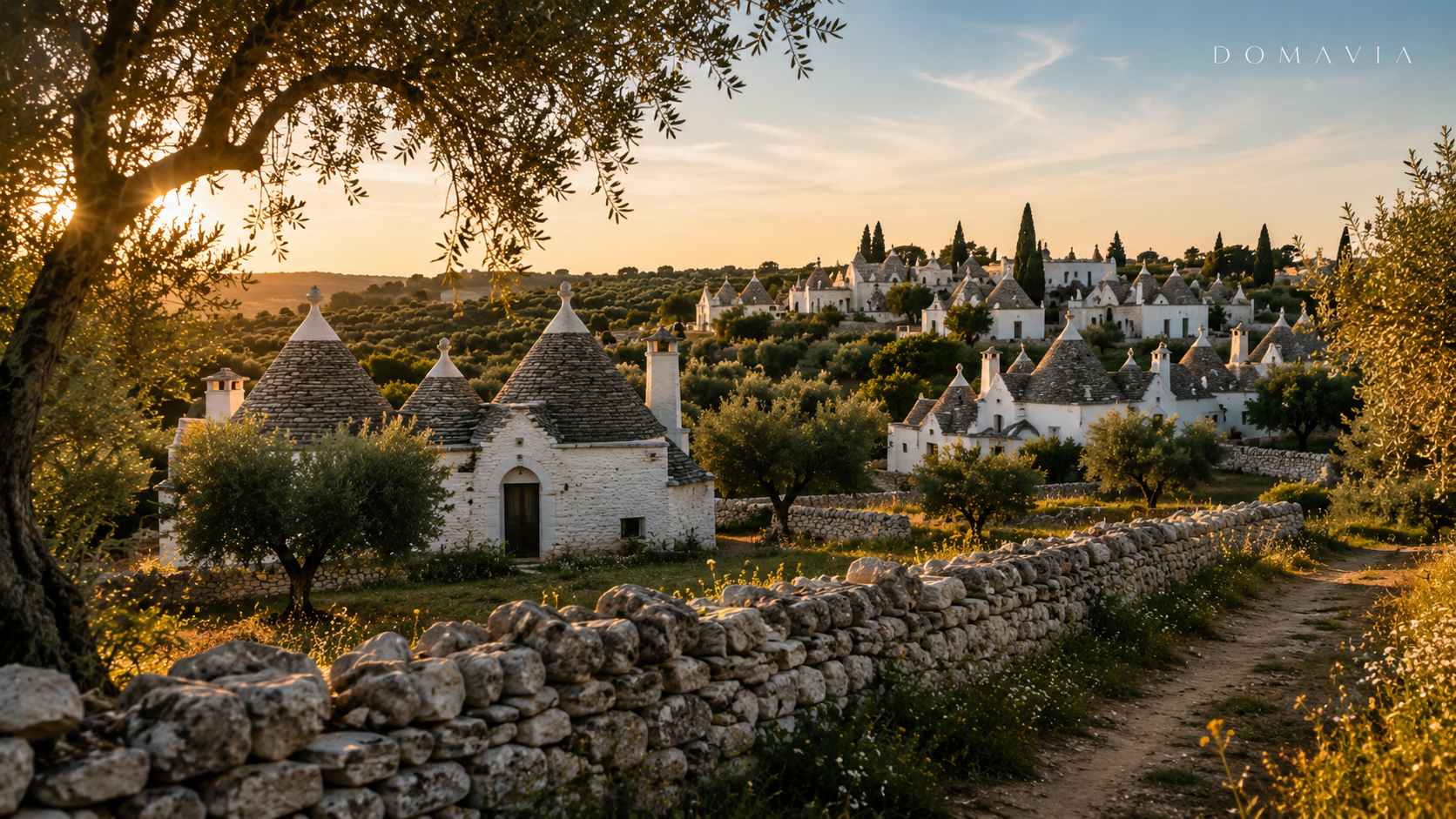
Explore charming villages, authentic experiences, outdoor adventures and hidden gems in the heart of Puglia.
A Local Perspective
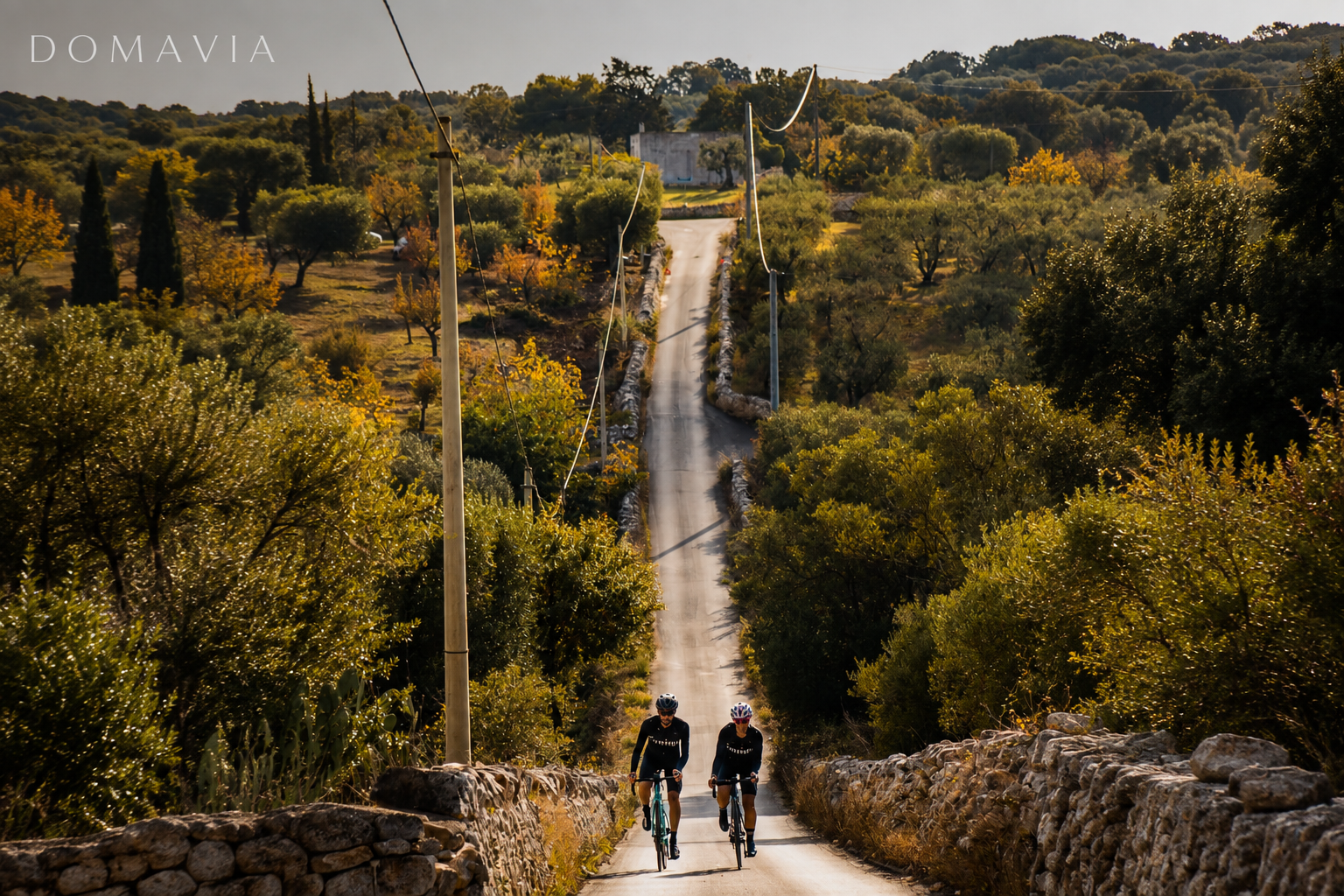
I'm Flavia, a local travel expert, competitive cyclist and former triathlete and water polo player based in Valle d'Itria.
Sport has shaped the way I experience this region. Through cycling, running, hiking and swimming along the Puglian coast, I have discovered Valle d'Itria from a unique perspective.
Through Domavia, I share my local knowledge to help travellers discover authentic places, meaningful experiences and hidden corners beyond the usual tourist routes.
In This Guide
✔ What Is Valle d'Itria?
✔ Why Visit Valle d'Itria?
✔ The Most Beautiful Villages of Valle d'Itria
✔ Hidden Gems Beyond the Tourist Routes
✔ Outdoor Experiences in Valle d'Itria
✔ Swimming & Beaches Near Valle d'Itria
✔ Local Food Experiences
✔ Festivals & Local Traditions
✔ Best Time to Visit Valle d'Itria
✔ How Many Days Do You Need in Valle d'Itria?
✔ Discover Valle d'Itria Your Way
What is Valle d'Itria?
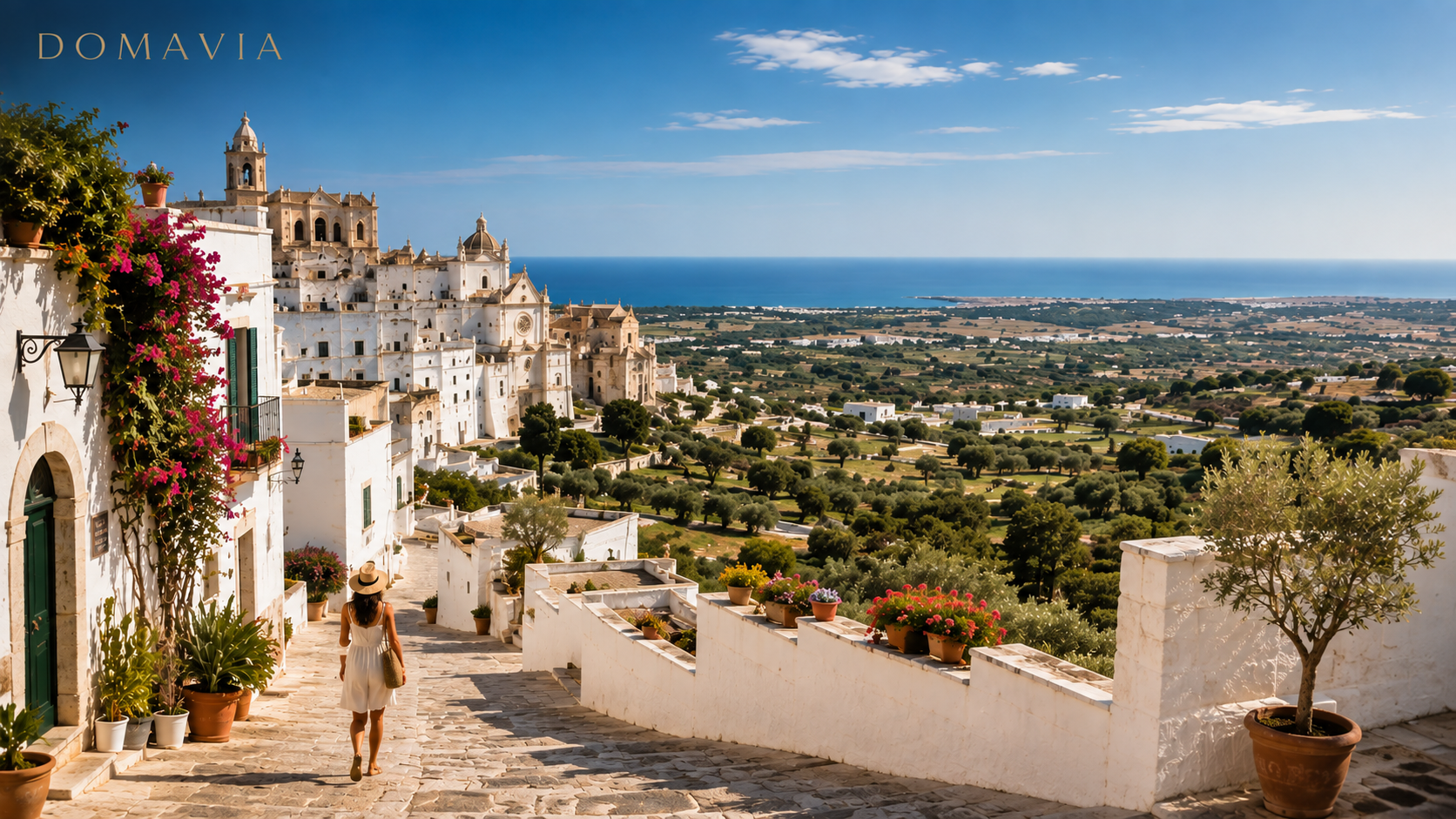
Located in the heart of Puglia, Valle d'Itria is one of southern Italy's most distinctive and captivating regions. Despite its name, it is not a traditional valley but a gently rolling plateau stretching across the provinces of Bari, Brindisi and Taranto.
The region is famous for its iconic trulli—traditional white limestone houses with conical roofs that have become one of Puglia's most recognisable symbols.
Beyond the trulli, Valle d'Itria is a landscape of centuries-old olive groves, vineyards, dry-stone walls and charming whitewashed villages, where local traditions and a slower pace of life have been preserved for generations.
While Alberobello, a UNESCO World Heritage Site, is the area's most famous destination, Valle d'Itria is much more than a single town. The region includes beautiful villages such as Martina Franca, Locorotondo, Cisternino, Ceglie Messapica and Ostuni, each with its own atmosphere, history and character.
One of the greatest advantages of staying in Valle d'Itria is its central location. Within a short drive, you can explore historic villages, enjoy authentic local cuisine, cycle through peaceful countryside or spend the day swimming in the crystal-clear waters of the Adriatic or Ionian Sea.
The region's diverse landscape is also what makes it so appealing to active travellers. Rolling hills, quiet country roads, olive groves and easy access to the coast create an environment where cycling, running, hiking and swimming can all become part of your experience.
This guide is based on that local perspective. Rather than simply showing you the most famous attractions, I want to help you discover the places, landscapes and experiences that make Valle d'Itria one of the most authentic and rewarding destinations in Puglia.
Why Visit Valle d'Itria?
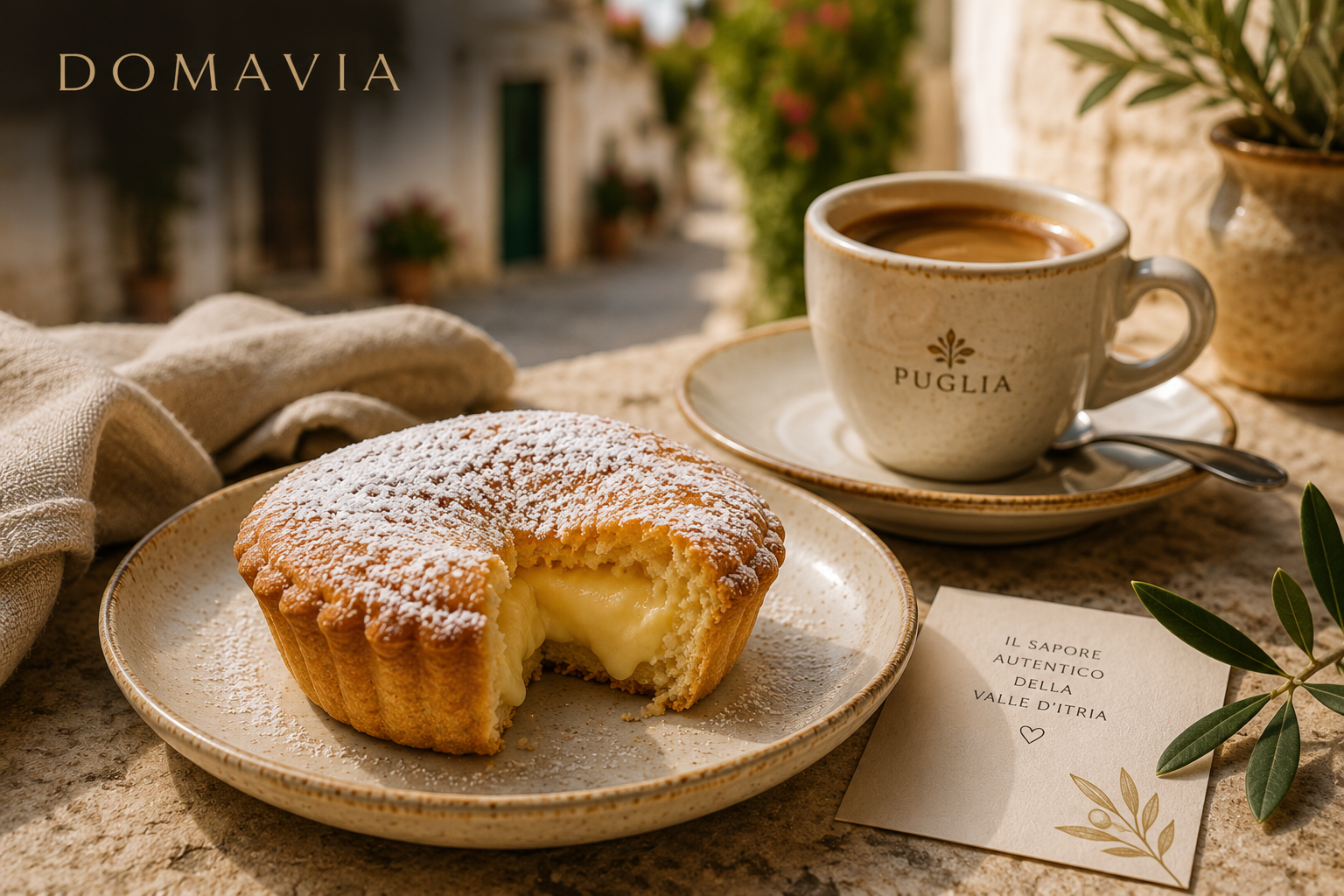
There are many beautiful destinations in Italy, but Valle d'Itria offers something that has become increasingly rare: authenticity.
This is a region where life moves at a slower pace, where traditions are still part of everyday life and where every village has its own identity.
Instead of rushing from one attraction to another, Valle d'Itria invites you to slow down, explore and enjoy the moment.
One morning you might wander through the elegant streets of Martina Franca, stop at a traditional café for a freshly baked bocconotto or handmade pastry, and browse a family-run alimentari for a freshly prepared sandwich or a warm slice of focaccia.
Later, you might head towards the coast for a swim in the Adriatic Sea, explore a quiet country road, or simply find a viewpoint overlooking the olive groves and trulli.
And then there are the evenings. During the summer, village piazzas come alive with music, festivals and local celebrations, while along the coast many lidi transform after sunset into lively seaside venues with music, drinks and dancing.
For travellers who enjoy an active lifestyle, the region offers another dimension. Quiet country roads, rolling hills, scenic trails and easy access to both the Adriatic and Ionian coasts make it possible to combine sightseeing with cycling, running, hiking and swimming.
What makes Valle d'Itria special is this combination of experiences. You can move from countryside to village, from local food to the sea, and from an active morning to a relaxed evening—all within the same day.
Whether you're interested in history, food, local traditions, outdoor adventures or simply experiencing a different side of Puglia, Valle d'Itria offers the opportunity to travel at your own pace and discover the region beyond the usual tourist route.
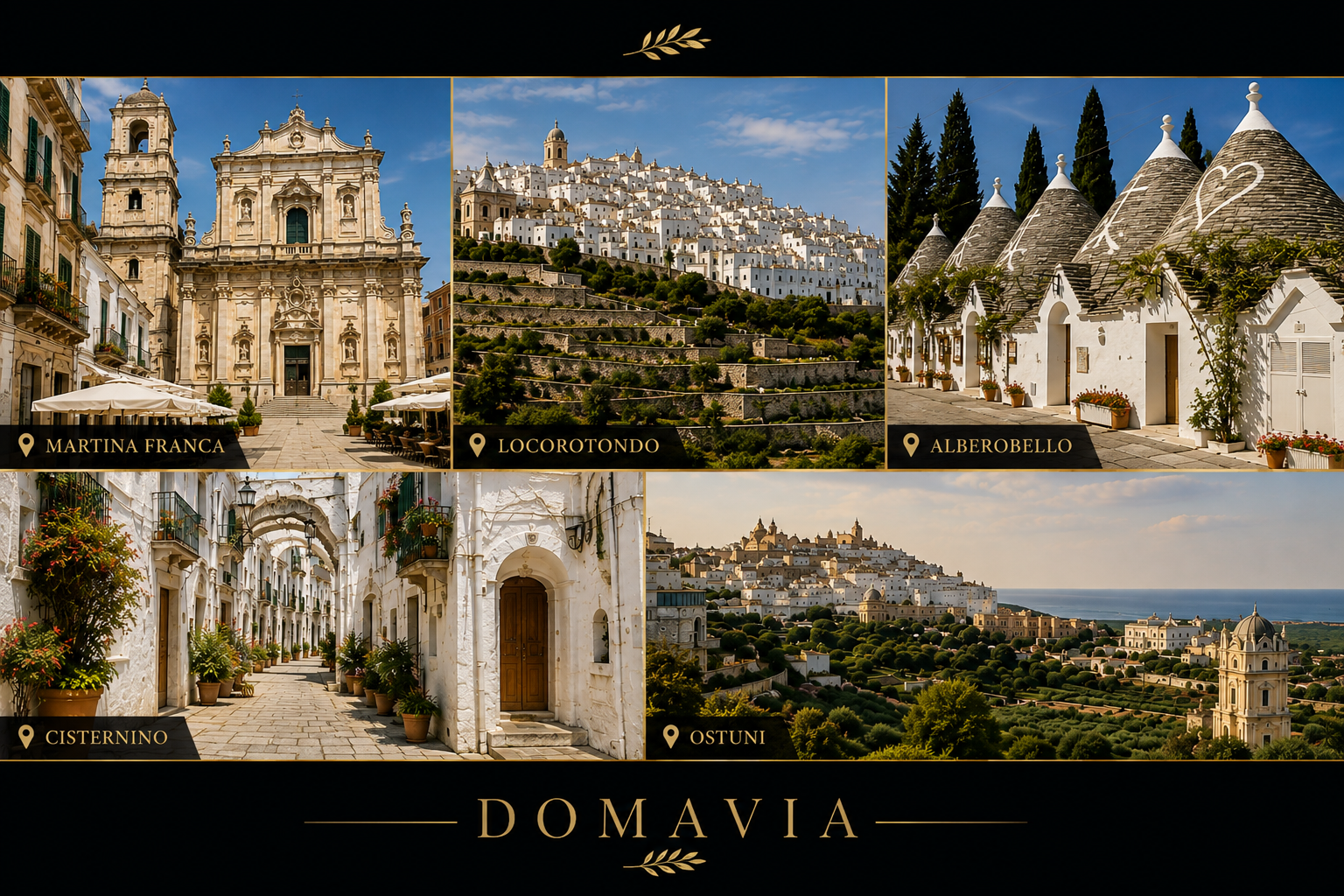
The Most Beautiful Villages of Valle d'Itria
One of the greatest pleasures of visiting Valle d'Itria is discovering that every village has its own personality.
Although the distances between them are relatively short, each has a different atmosphere, architecture and local character.
Rather than rushing from one destination to another, take your time. Wander through quiet streets, stop for a coffee in a small piazza, explore local shops and simply enjoy the slower rhythm of everyday life.
Here are some of the places I recommend discovering.
Martina Franca
Elegant and sophisticated, Martina Franca is known for its beautiful Baroque architecture, lively piazzas and charming historic centre.
It is also my hometown, so naturally it holds a special place in my heart. I love wandering through its narrow streets, discovering hidden courtyards and stopping for a coffee while watching everyday life unfold.
If you want to experience a more local side of Valle d'Itria, don't limit yourself to the main streets. Take time to wander and see where the small streets lead you.
Locorotondo
Often considered one of the most beautiful villages in Italy, Locorotondo is famous for its whitewashed houses, flower-filled balconies and panoramic views across Valle d'Itria.
It is particularly beautiful in the early evening, when the light softens and the streets begin to come alive.
Take your time here. A walk through the historic centre followed by a drink overlooking the countryside is one of the simplest—and most enjoyable—ways to experience Locorotondo.
Alberobello
No visit to Valle d'Itria would be complete without seeing Alberobello and its famous trulli.
As the region's most visited destination, it can become busy, particularly during the summer months. But don't let that stop you from experiencing it.
Explore beyond the busiest streets and take the time to appreciate the architecture, the history and the unique landscape that surrounds the town.
Cisternino
Cisternino has a wonderfully relaxed atmosphere and is one of my favourite places to spend a summer evening.
Its picturesque streets, welcoming piazzas and excellent local food make it a place where visitors often find themselves staying much longer than they originally planned.
Come for a walk, stay for dinner and let the evening unfold at its own pace.
Ostuni
Known as the White City, Ostuni rises dramatically above the surrounding countryside and offers spectacular views towards the Adriatic Sea.
Its maze of white streets, artisan shops, restaurants and lively atmosphere make it one of Puglia's most iconic destinations.
The contrast between the whitewashed historic centre, the surrounding olive groves and the distant blue of the Adriatic is part of what makes Ostuni so memorable.
Each village offers something different, which is why there is no single "best" place to visit.
The right choice depends on your interests, travel style and the type of experience you want from your time in Puglia.
And that's part of the beauty of Valle d'Itria:
you don't have to choose just one.
Hidden Gems Beyond the Tourist Routes

The true magic of Valle d'Itria isn't only found in its famous villages. It is often hidden in the simple moments between them.
Take the scenic country road instead of the quickest route. Stop when a panoramic view catches your eye. Wander through smaller villages and quiet streets. Leave some space in your day for discovering something you didn't plan to find.
Start your morning at a traditional neighbourhood café with a freshly baked pastry and an Italian espresso.
Around lunchtime, step into a family-run alimentari, where you might find a freshly made sandwich filled with local cheeses and cured meats, or a warm slice of focaccia straight from the oven.
These everyday places are part of what makes travelling through Puglia so special. They aren't necessarily the places you'll find at the top of every travel list—they are simply part of everyday local life.
During the warmer months, many villages host sagre—traditional food festivals celebrating local recipes, seasonal ingredients and community traditions.
Summer evenings also bring open-air concerts, village celebrations and lively piazzas where locals gather after sunset.
If your visit coincides with one of these events, don't miss the opportunity to join in. They can offer a much more authentic experience of Valle d'Itria than simply visiting another attraction.
And perhaps my favourite piece of advice is this:
Leave room for spontaneity.
Some of the best memories come from unexpected discoveries—a quiet viewpoint overlooking the countryside, a family-run bakery you've never heard of, a small village celebration or a recommendation from someone you meet along the way.
These are the moments that transform a holiday into a truly authentic experience—and they are often the ones you'll remember long after you've returned home.
“Some of the best places aren't the ones you planned to visit.”
Outdoor Experiences in Valle d'Itria

Valle d'Itria is more than a destination to admire—it's a place to experience.
Its gently rolling hills, quiet country roads and scenic trails make it one of the most rewarding areas of Puglia for travellers who enjoy being outdoors.
Cycling is one of my favourite ways to experience the region. I train here throughout the year, and what I love most is the variety of the terrain. You can ride through quiet country roads surrounded by ancient olive groves and trulli, climb through the rolling hills around the villages, or follow a route towards the coast and finish your ride by the sea.
The landscape changes constantly, which makes every ride feel different.
For runners and walkers, the Acquedotto Pugliese offers another fascinating way to explore the countryside. Historic paths and trails pass through peaceful landscapes, olive groves and rural areas, creating an opportunity to experience a quieter side of Puglia away from busy roads.
Hiking offers another perspective. Ancient olive trees, dry-stone walls, masserie and country paths reveal a landscape shaped by generations of farming and local traditions.
And then there is the sea.
One of the things I love about training in Valle d'Itria is that you don't have to choose between hills and coast. You can spend the morning cycling or running through the countryside and later head towards the Adriatic or Ionian coast for an open-water swim.
That combination is what makes Valle d'Itria so special for active travellers: countryside, hills, villages and sea are all within easy reach.
You don't have to be a competitive athlete to enjoy it. Whether you want a challenging cycling route, a scenic run, a peaceful hike or simply a walk through the countryside, there are ways to experience the region at your own pace.
Explore Puglia beyond the sightseeing route — on two wheels, on foot or in the water.
Swimming & Beaches Near Valle d'Itria

One of the greatest advantages of staying in Valle d'Itria is that you're never far from the sea.
Within a relatively short drive, you can reach beautiful stretches of both the Adriatic and Ionian coastlines, from rocky coves and crystal-clear swimming spots to sandy beaches perfect for a relaxing day by the water.
The Adriatic coast offers beautiful seaside towns, clear water and a variety of places to swim, relax and enjoy the Mediterranean landscape.
Further south, the Ionian coast offers a different atmosphere, with long sandy beaches and calm, inviting waters in many areas.
For me, one of the pleasures of Valle d'Itria is being able to combine the two landscapes so easily.
You can spend the morning cycling through olive groves and rolling countryside, enjoy lunch in one of the villages, and later be swimming in the sea.
For anyone who enjoys swimming, the region offers a wonderful opportunity to experience Puglia both on land and in the water.
And in summer, the experience doesn't necessarily end when the sun goes down.
Many beach clubs (lidi) transform in the evening into lively seaside venues with music, drinks, aperitivo, DJ sets and dancing under the stars.
Whether you prefer a quiet drink overlooking the sea or a lively beach night, summer along the Puglian coast offers a completely different side of the region.
It's one of the things I love most about Valle d'Itria: you can spend the day surrounded by olive trees and trulli and finish it with your feet in the sea.
“Spend the day among the olive trees and finish it with your feet in the sea.”
Local Food Experiences in Valle d'Itria

Food is one of the easiest ways to connect with the culture of Valle d'Itria.
Here, eating isn't simply about finding the most famous restaurant. Some of the most memorable experiences can happen in places that are part of everyday local life.
Start the morning with an espresso and a freshly baked pastry at a traditional café. Stop at a bakery for warm focaccia, or visit a local alimentari and let them prepare a sandwich using regional cheeses, cured meats and seasonal ingredients.
As you explore the villages and countryside, you'll encounter many of the flavours that define Puglia: creamy burrata and mozzarella, handmade orecchiette, local cheeses, capocollo, extra virgin olive oil and regional wines.
But food in Valle d'Itria is also about the setting and the people behind it.
A simple lunch in a small village, a gelato enjoyed while wandering through a historic centre, or a dinner shared outdoors on a warm summer evening can become part of the experience of discovering Puglia.
And if you're visiting during a local sagra, make the most of it. These traditional festivals bring together food, music and community, often celebrating a particular local ingredient or recipe.
My advice? Don't plan every meal around a restaurant you've found online. Leave room to follow your curiosity.
Sometimes the best meal is the one you discover because a local recommended it, because you smelled something delicious while walking past a bakery, or because you simply stopped somewhere that looked inviting.
In Puglia, food is not just something you eat.
It's part of how you experience the place.
Festivals & Local Traditions

Valle d'Itria has a strong sense of community, and throughout the year its villages come alive with festivals, celebrations and traditions.
From summer sagre celebrating local food and seasonal ingredients to religious festivals, concerts, village celebrations and traditional events, there is often something happening beyond the usual tourist attractions.
Summer is particularly lively. As the sun goes down and temperatures become more comfortable, village squares fill with music, families and friends, while local festivals bring communities together outdoors.
Some celebrations are large and well known, while others are much smaller and deeply connected to the traditions of a particular town.
If you're visiting Valle d'Itria, it's worth checking what is happening locally during your stay. An unexpected festival or evening celebration can become one of the most memorable moments of your trip.
This is another reason I always recommend leaving a little flexibility in your plans. The best experiences aren't always the ones you can schedule months in advance.
Sometimes the best way to experience Puglia is simply to join the celebration.
Best Time to Visit Valle d'Itria

There isn't one single best time to visit Valle d'Itria—it depends on the experience you're looking for.
Each season has its own character, from the fresh landscapes of spring to the long summer evenings, quieter autumn days and peaceful winter atmosphere.
🌿 Spring — March to May
Spring is one of my favourite times to experience Valle d'Itria.
The countryside becomes greener, wildflowers appear along the roads and trails, and the temperatures are ideal for exploring outdoors.
For cyclists, runners and hikers, this can be an especially enjoyable time of year. The days are generally comfortable for longer activities without the intense heat of the summer months.
It's also a wonderful season for exploring the villages before the busiest period of the year.
☀️ Summer — June to August
Summer is when Valle d'Itria really comes alive.
The days are long, the villages are lively and evenings continue well after sunset. It's the perfect season for combining sightseeing with time at the coast, swimming in the sea and enjoying outdoor dinners and local events.
This is also when you'll find many sagre, festivals, concerts and evening celebrations, while beach clubs along the coast often become lively places to spend summer nights.
The trade-off is that July and August are the busiest and hottest months, particularly around the most popular destinations.
🍂 Autumn — September to November
September is one of the best-kept secrets of Puglia.
The intense summer heat begins to ease, the sea is still warm enough for swimming and the villages become noticeably more relaxed.
Early autumn can be particularly beautiful for cycling, running and exploring the countryside, while the changing season brings its own rhythm to local life.
For travellers looking for a balance between warm weather, outdoor activities and fewer crowds, September and early October can be an excellent choice.
❄️ Winter — December to February
Winter offers a completely different—and often wonderfully authentic—side of Valle d'Itria.
The villages become quieter, but they don't lose their character. During the Christmas period, many towns are beautifully illuminated and come alive with winter festivals, Christmas markets, nativity scenes (presepi) and traditional celebrations.
It's also a lovely time to explore the region's food and wine traditions. Wine tastings, local food experiences and seasonal events offer a different way to discover Puglia when the summer crowds have disappeared.
The cooler months aren't the season for long days on the beach, but they are perfect for wandering through historic centres, enjoying traditional food, discovering local traditions and experiencing the region at a slower pace.
If you prefer authenticity and tranquillity over beach weather, winter can reveal a side of Valle d'Itria that many summer visitors never get to see.
⭐ My local perspective
As someone who lives and trains here throughout the year, I love that every season offers something different. Spring and autumn are wonderful for outdoor activities, summer brings the sea, long evenings and festivals, while winter offers a quieter, more traditional experience filled with local celebrations, lights, food and wine.
Valle d'Itria isn't just a summer destination. It's a year-round experience.
How Many Days Do You Need in Valle d'Itria?

There is no single answer to how many days you need in Valle d'Itria. It depends on how much of the region you want to experience and, most importantly, how you like to travel.
2–3 Days
A short stay can give you a taste of Valle d'Itria. You can explore a couple of the most beautiful villages, enjoy some local food and spend some time discovering the countryside.
It's ideal for a first introduction to the region, but you'll have to be selective about what you include.
4–5 Days
With four or five days, you can slow down and experience much more of what makes Valle d'Itria special.
You can combine several villages with local food experiences, countryside exploration and time by the sea, without feeling that you're constantly moving from one place to another.
For many travellers, this is a particularly good balance.
7 Days or More
A week gives you the freedom to explore Valle d'Itria at a much more relaxed pace.
You can discover different villages, spend time in the countryside, visit the coast, enjoy local festivals or seasonal events and still have time to simply relax and enjoy where you are.
It's also ideal if you want to include cycling, running, hiking, swimming or other outdoor experiences as part of your holiday.
⭐My local advice
Don't try to see everything.
One of the biggest mistakes travellers can make in Puglia is filling every day with destinations and activities.
Valle d'Itria is best experienced slowly.
Leave space for a long lunch, an unexpected viewpoint, a coffee in a village square, a swim in the sea or an evening festival you hadn't planned to attend.
The number of days matters—but how you use them matters even more.
Don't try to see everything. Leave room to experience it.
Discover Valle d'Itria Your Way
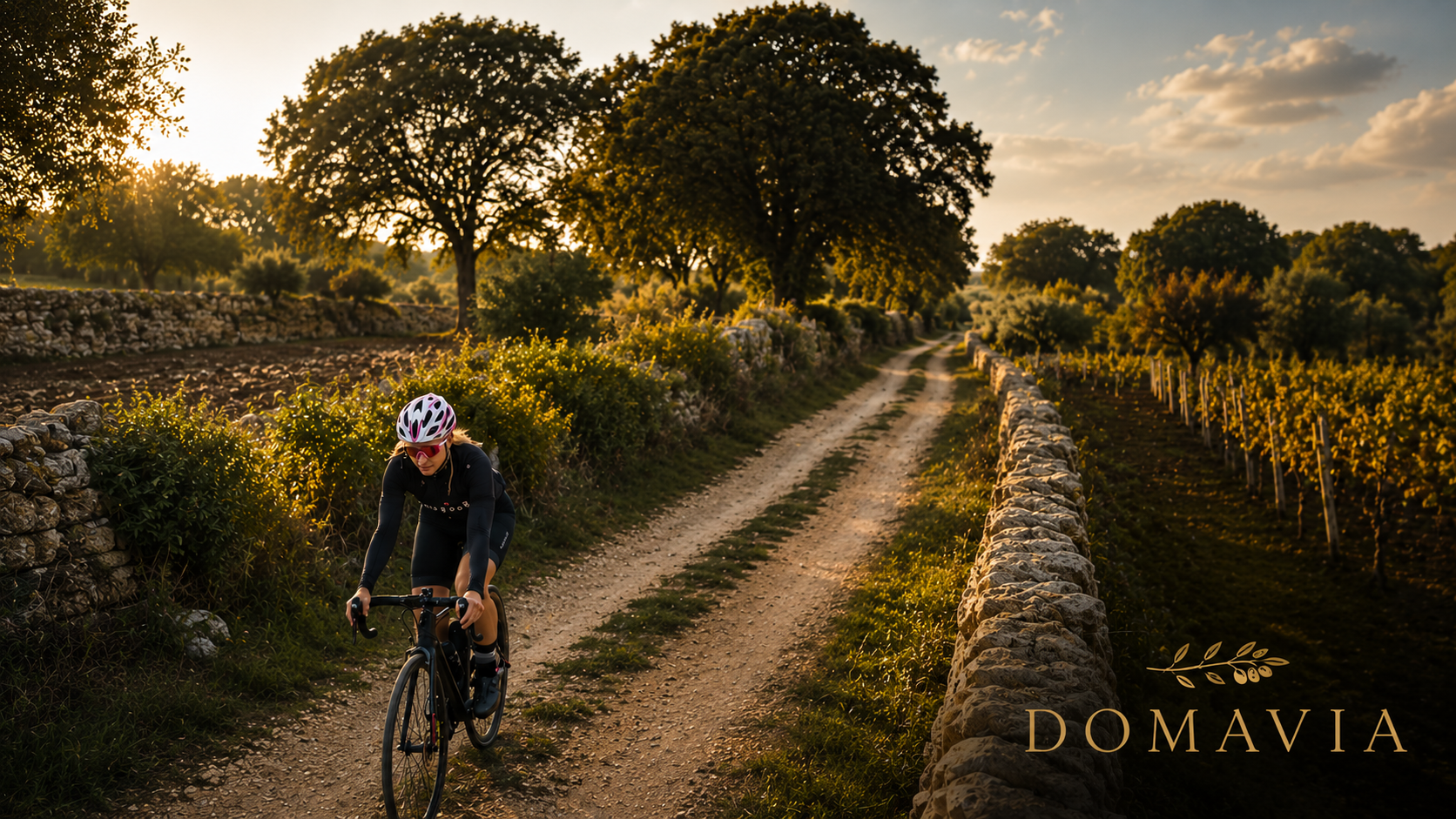
Valle d'Itria is not a destination to rush. It is a place to experience slowly, allowing time for the moments that often become the most memorable.
Wander through whitewashed villages, stop for something delicious at a local café, cycle or walk along quiet country roads, swim in the crystal-clear waters of the Puglian coast, experience a local festival or simply take a different road and see where it leads.
Because some of the best experiences in Puglia are not necessarily the ones you'll find in a guidebook.
Through Domavia, I create personalised travel recommendations around you — your interests, your travel style, your pace and the experiences you want to have.
Whether you are looking for authentic local food, beautiful villages, outdoor adventures, beaches, local traditions or hidden corners beyond the usual tourist routes, I'll help you discover a Valle d'Itria that feels personal to you.
Your Puglia experience should be personal.
Discover Valle d'Itria through a local perspective.
DOMAVIA — Personalised travel recommendations for discovering Valle d'Itria, Puglia.
